
Reduced Alert Flood
We enable enterprises to minimize alert fatigue by consolidating signals, eliminating duplication, and elevating only incidents of true business relevance. The result is focused operations, faster recovery, and sustained service reliability.
Request Demo
60
%Reduction in Duplicate Alerts
50
%Fewer Escalations Across Teams
90
%Consolidated Incidents From Thousands of Signals
99
%Stronger SLA and Business Continuity
The Challenge of Traditional Alerting
Alerts are designed to protect uptime, but instead they often overwhelm teams. Most signals are repetitive, fragmented across tools, and disconnected from business context. The result: constant noise, rising fatigue, and slower incident resolution.
High Volume, Low Value
Multiple tickets created for the same issue across apps, metrics, logs, and events.
Investigation Fatigue
Teams drown in duplicate notifications, wasting time sorting signal from noise.
Business Blind Spots
Critical risks are buried under floods of non-actionable alerts, delaying recovery and SLA protection.
Reduced Alert Flood in Action
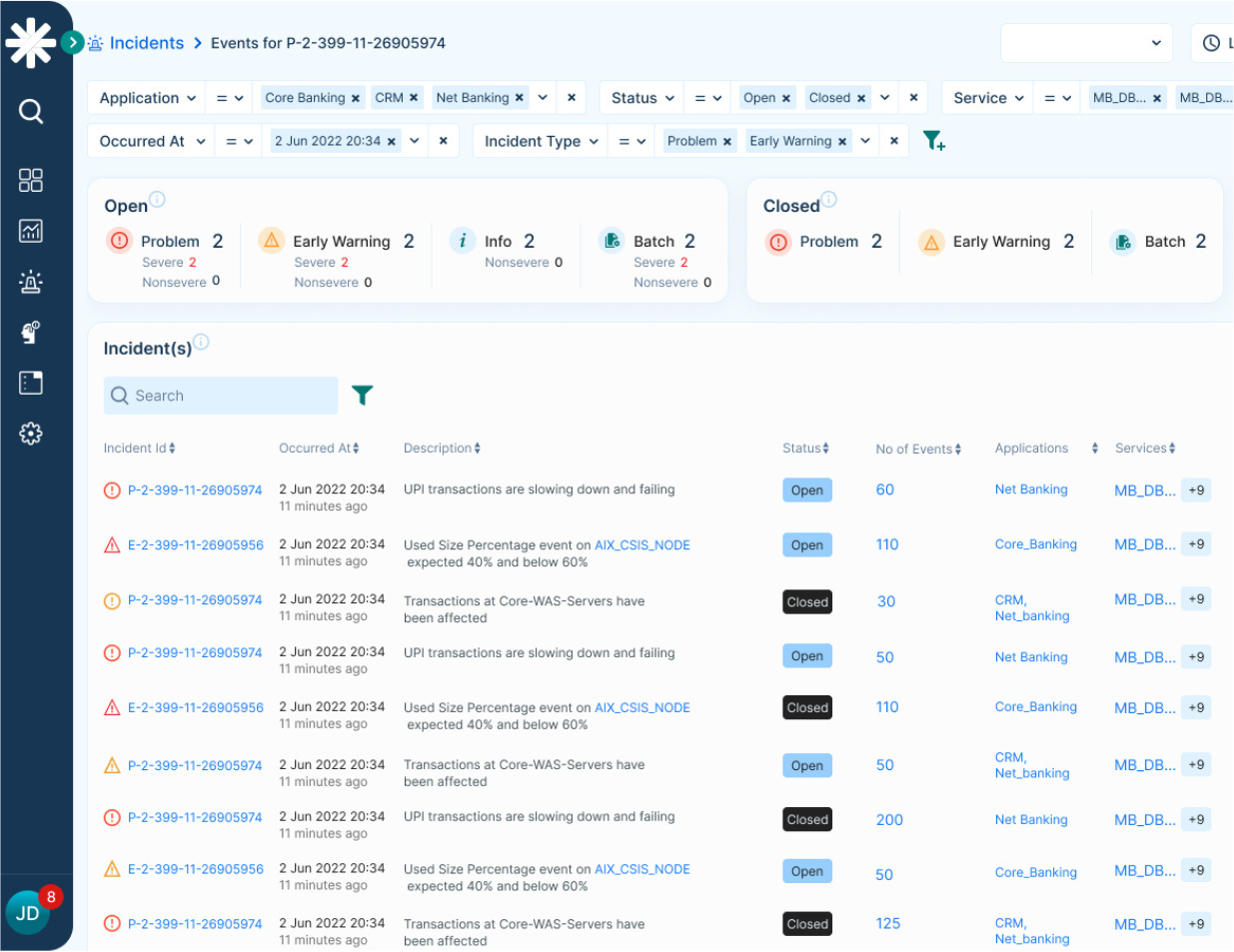
We streamline alert management by consolidating signals into coherent incident narratives that focus teams on what truly matters.
Alert De-Duplication
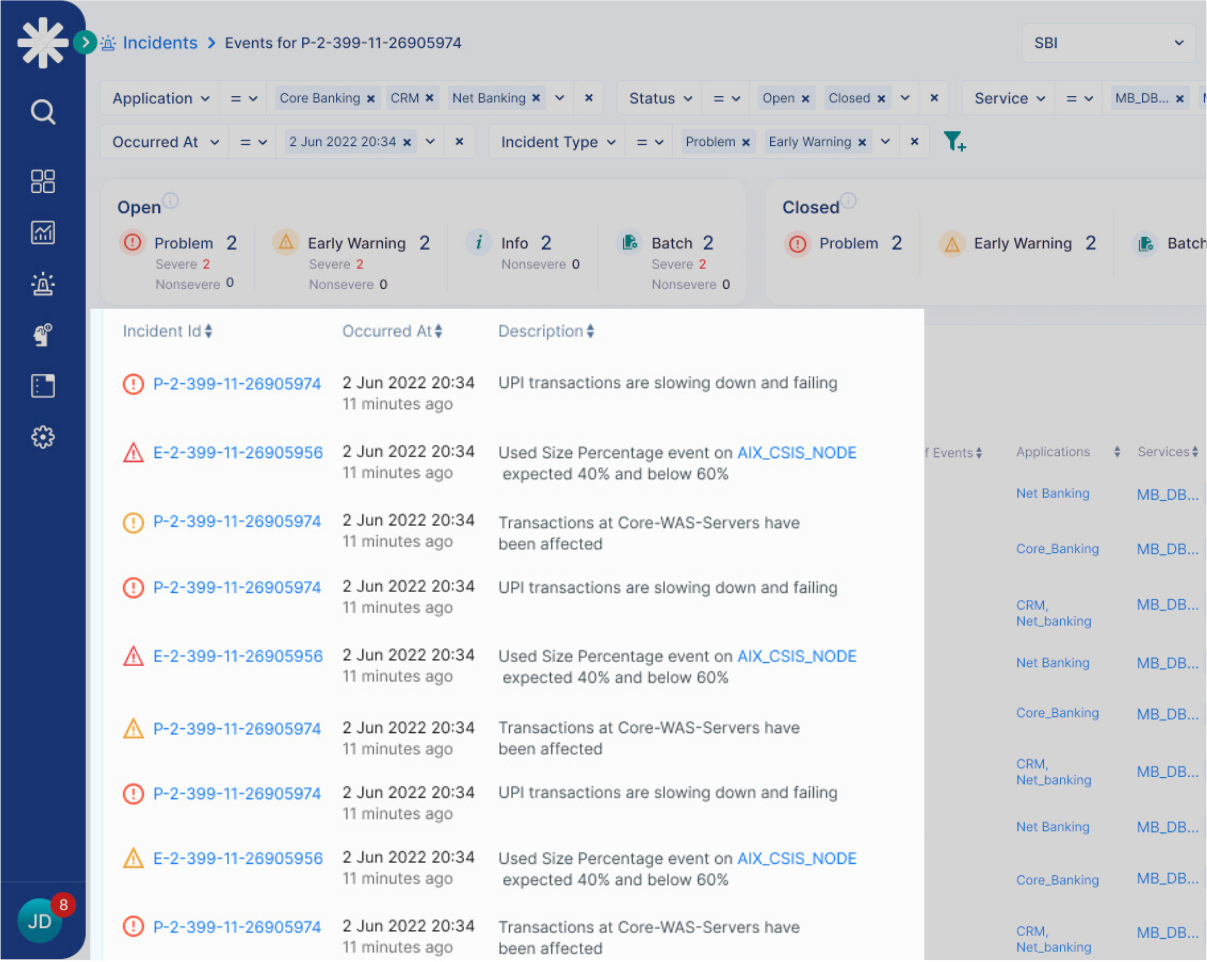
Collapse repetitive alerts into single incidents, removing noise before it reaches ITSM.
Contextual Correlation
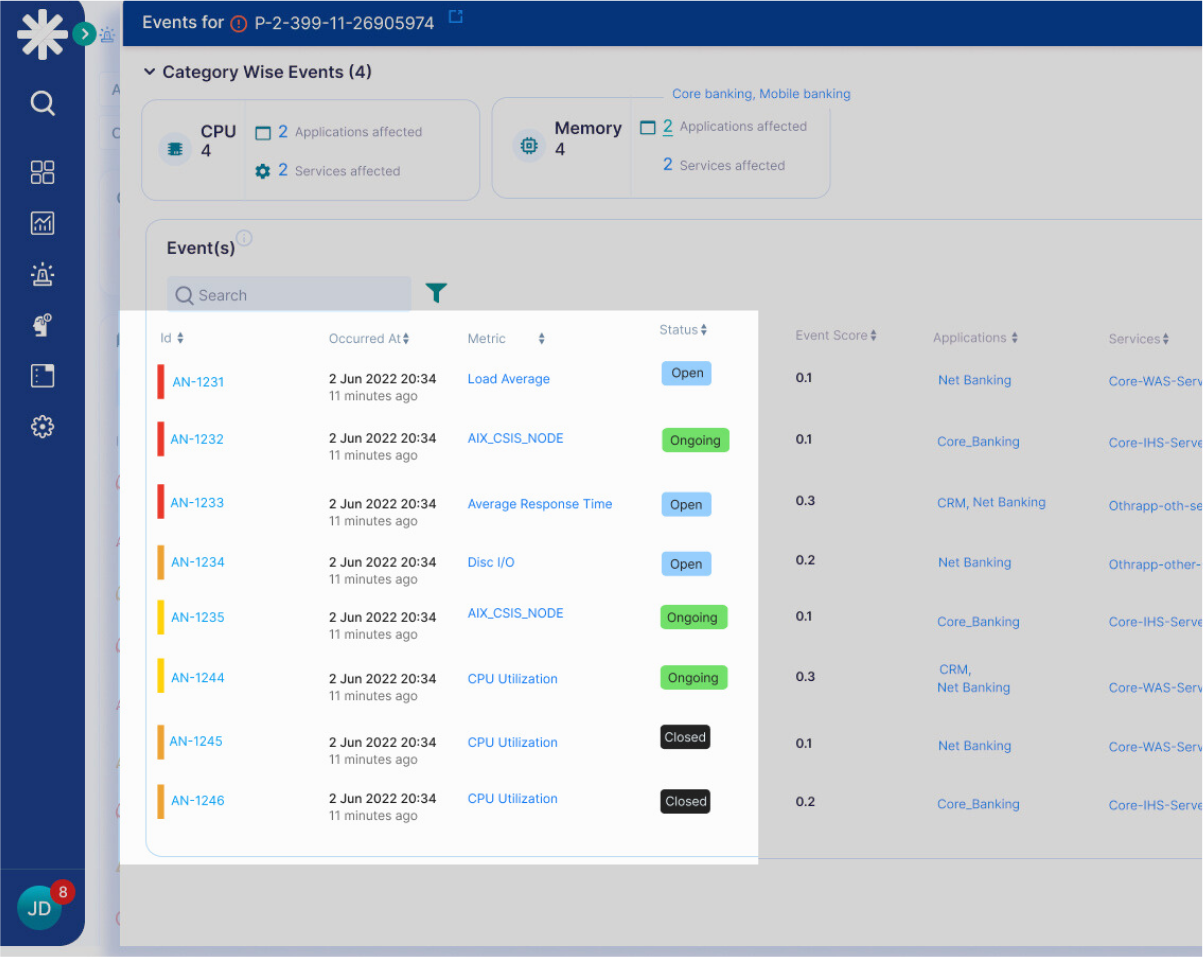
Group alerts by root cause, linking logs, metrics, and events into one meaningful signal.
Prioritized Impact View
Rank incidents by SLA, customer, or revenue impact, so the most critical issues are handled first.
Enriched ITSM Integration
Push correlated, prioritized alerts directly into ServiceNow with clear narratives and evidence.
From Noise to Clarity
For Incident Response and IT Operations Teams
Focused Alerts, Faster Response
- Reduce redundant notifications through intelligent signal correlation.
- Elevate only high-value incidents aligned to business impact.
- Lower escalation rates with context-rich incidents and clear accountability.
For SRE and Platform Engineering Teams
System-Wide Correlation
- Connect alerts to dependencies across microservices and infrastructure.
- Collapse chain reactions into one incident.
- Improve RCA accuracy with correlated context.
For Service Management & Business Teams
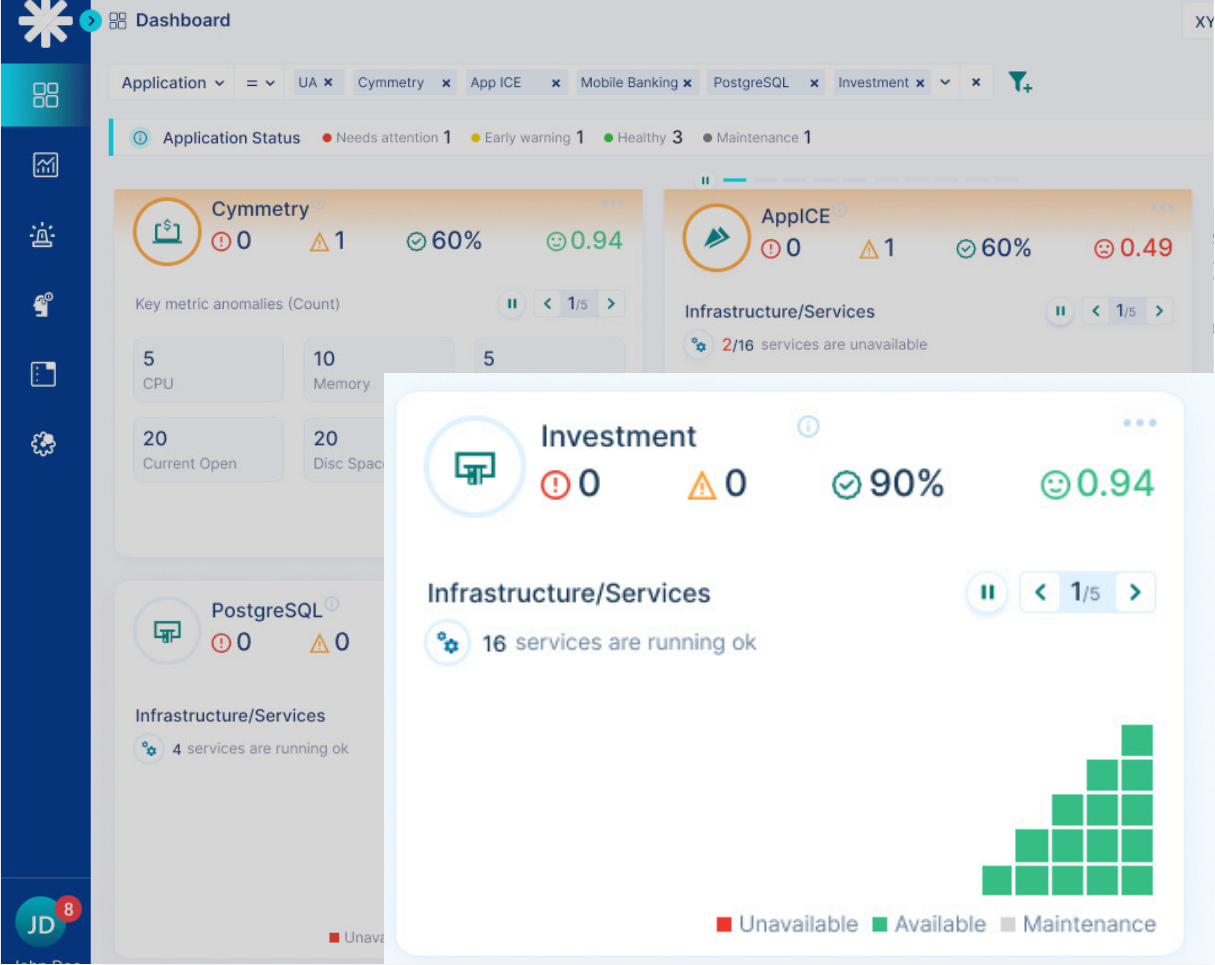
Business-Aware Alerts
- Alerts enriched with SLA and revenue impact.
- Incidents presented in business language, not raw telemetry.
- Continuous learning improves accuracy and reduces future floods.
Trusted by Leading Organizations
“Noise went down by 65% overnight. Our ITSM queues finally reflect real issues, not duplicates.”
“Engineers no longer waste hours chasing repetitive alerts. Every signal that surfaces has meaning.”
“Executives see fewer disruptions, stronger SLA compliance, and faster incident recovery.”
FAQ
AIOps with Agentic AI turns complexity into resilience.
Learn how HEAL uses AIOps with Agentic AI to keep operations resilient and disruption-free